

Drying Laundry Guide: Top Tips for Drying Clothes in Winter
Drying clothes in winter can feel like a never-ending challenge. Cold temperatures, limited daylight and higher humidity levels often mean laundry takes longer to dry, sometimes leading to damp smells or even mould.
Whether you rely on indoor drying, a tumble dryer, or the occasional outdoor opportunity, this winter laundry drying guide will help you keep your clothes fresh and dry.
Why clothes take longer to dry in winter
During winter, clothes dry more slowly due to a combination of environmental factors:
Lower temperatures reduce evaporation
Higher indoor humidity slows moisture release
Limited airflow inside closed homes
Less sunlight and fewer outdoor drying opportunities
Understanding these challenges makes it easier to choose the most effective winter laundry drying methods.
Best ways to dry clothes indoors in winter
Wondering what the best ways to dry your clothes indoors during winter are? Here are some of the most effective options.
Use a heated airer or electric drying rack
Heated airers are one of the most popular ways of drying your clothes indoors in winter. It’s an upgrade from your typical clothes airers as it speeds up the drying process and reduces the amount of moisture in your home while your clothes dry.
This can also be a cheaper alternative to running your tumble dryer with every clothes wash.
Dry clothes near a heat source
If you can’t invest in a heater airer, the next best thing it to set up your usual clothes airer next to the radiator, it’ll take a little longer to dry but it’s still an effective method for drying your clothes, just be careful not to cover your radiator.
 Should you use a tumble dryer in the winter?
Tumble driers are very convenient during the colder months but sometimes they’re not the most cost effective. Here are some pros and cons to using your tumble dryer during winter.
Pros:
Faster drying times
Ideal for drying bigger items like towels, bedding and jeans
Guarantees dry clothes
Reduce drying time by up to 28% if you use ecoegg Dryer Balls in your tumble dryer
Softens clothes
Cons:
Higher energy costs
Not suitable for all fabrics
Upfront cost can be costly if you don’t already have a tumble dryer at home
Needs a designated space & proper ventilation installation if you don’t have a tumble dryer already
To reduce costs, opt for an eco-setting when drying your clothes, dry similar fabrics together and avoid overloading the drum.

Can you dry clothes outside in winter?
Yes, you can actually dry your clothes outside in the winter, but you do need to look out for the right conditions if you’re planning to dry your clothes outdoors.
So, what should you look out for? Cold but dry and windy days are ideal for drying your clothes outside in the winter. Avoid drying on damp, foggy or rainy days as this can make your clothes wet.
How to prevent damp smells and mildew
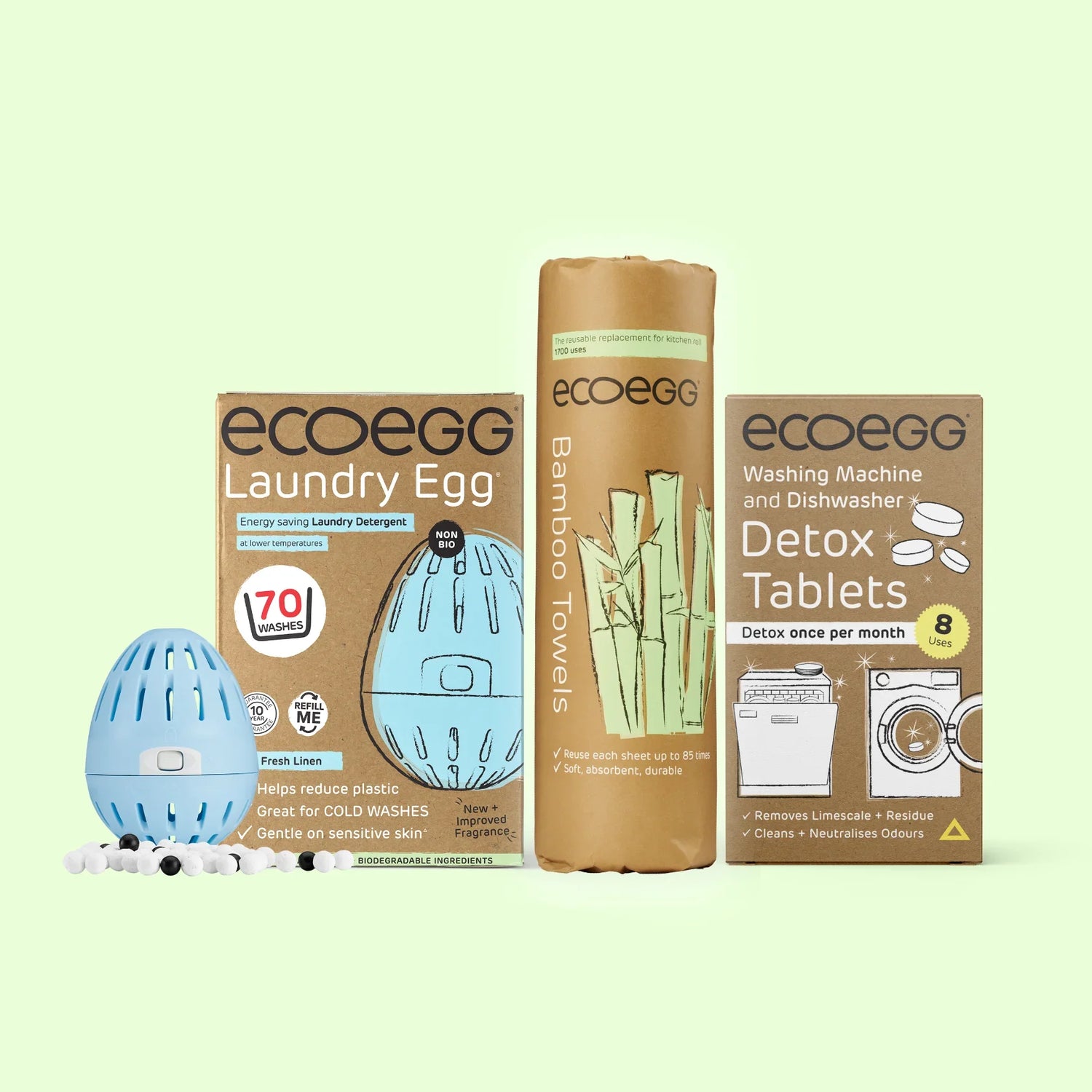
One of the biggest winter laundry problems are musty smelling clothes and washing machine. Good news is that this can be preventable. You’ll want to start with regularly cleaning your washing machine. We recommend using ecoegg Detox Tablets, they’re perfect for giving your machine a deep clean, reaching places you can’t.
If your clothes begin to suffer, there may be few things where you’re going wrong. Don’t leave wet clothes in your machine for too long, this can make your laundry smell musty. You’ll also want to ensure that your clothes are completely dry before storing.
Most common winter laundry mistakes to avoid
Here are some of the top laundry mistakes we see during the colder periods so you can void them.
Overcrowding drying racks
Drying clothes in unventilated rooms
Blocking radiators
Using too much detergent
Storing damp clothes
By avoiding these mistakes you’ll improve your drying results dramatically.
Drying clothes in winter doesn’t have to be difficult. By combining good airflow, gentle heat and smart energy use, you can dry laundry efficiently without damp smells or high energy bills. Whether you use a heated airer, tumble dryer, or outdoor line when conditions allow, the key is choosing the right method for your space and clothing type.
With these winter laundry drying tips, you’ll keep your clothes fresh, dry and ready to wear even on the coldest days.